Physicist & Chemist
Marie Curie
Marie - Animado con Incarn
Retrato animado por Incarn
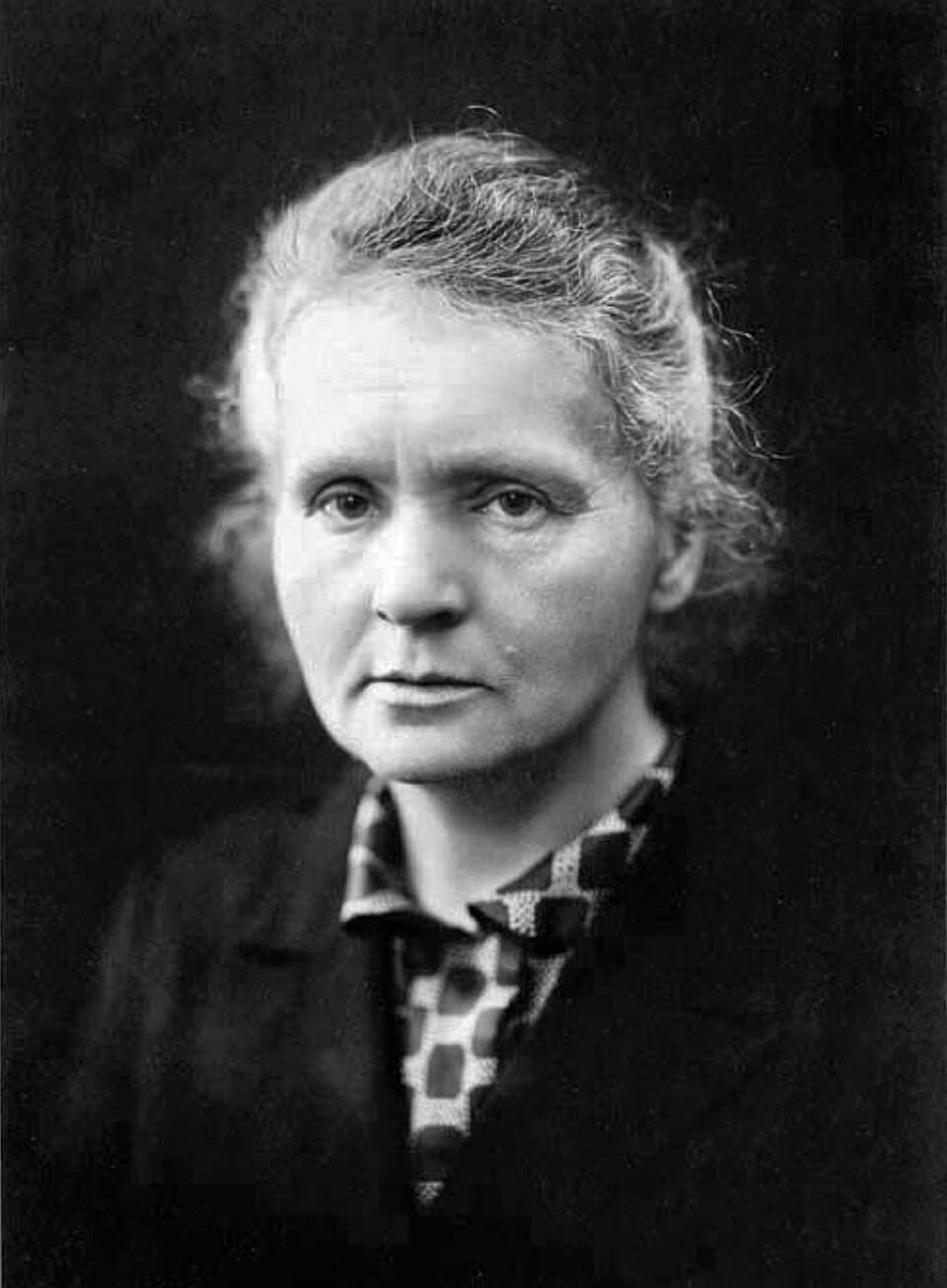
Maria Sklodowska was born in Warsaw, Poland in 1867, at a time when women were largely excluded from higher education. Determined to pursue science, she moved to Paris at age 24 and enrolled at the Sorbonne, living in poverty while earning degrees in both physics and mathematics. She became the first woman to earn a PhD in physics in France.
Working alongside her husband Pierre Curie, Marie discovered two new elements -polonium (named after her homeland) and radium -and coined the term 'radioactivity.' Her research fundamentally changed our understanding of matter and energy. In 1903 she became the first woman to win a Nobel Prize, in Physics.
After Pierre's tragic death in 1906, Marie took over his professorship at the Sorbonne, becoming the institution's first female professor. In 1911 she received a second Nobel Prize, this time in Chemistry, making her the only person in history to win Nobel Prizes in two different sciences.
During World War I, Marie developed mobile X-ray units -known as 'petites Curies' -that brought diagnostic imaging to battlefield surgeons. She died in 1934 from aplastic anemia, almost certainly caused by decades of exposure to radiation. Her notebooks remain so radioactive that they are stored in lead-lined boxes and can only be viewed with protective gear.
¿Quieres animar tus propias fotos?
Nuestra tecnología puede dar vida a cualquier retrato histórico, incluyendo tus propias fotos familiares. Sube una foto antigua y mira la historia cobrar vida.
Animar una foto - es gratis